


I’ve thought very deeply about what gives the 2000’s that “it” factor, that “juice” that felt so right at the time and feels so nostalgic looking back. I think I’ve finally articulated what that is.
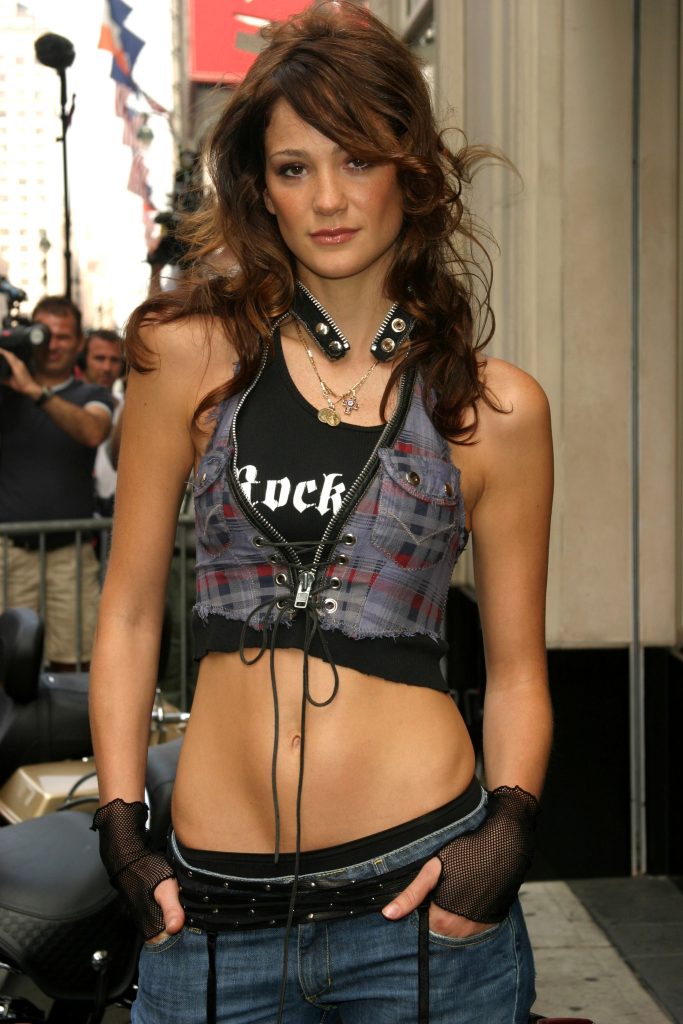
For us living in the 2000’s, our experience was the 90’s and 80’s passing us by. Before we get into what that really means, did you know lowrise styles had existed before the 2000’s? Back in the 60’s and 70’s, a more free thinking movement, a younger, more optimistic, antiwar movement, actually donned lowrise styles. They did it in their own way. It was their way of saying “fuck you” to the concerns of the past, and “hello” to the ideas of the future. A 50’s or 40’s minded person could never.

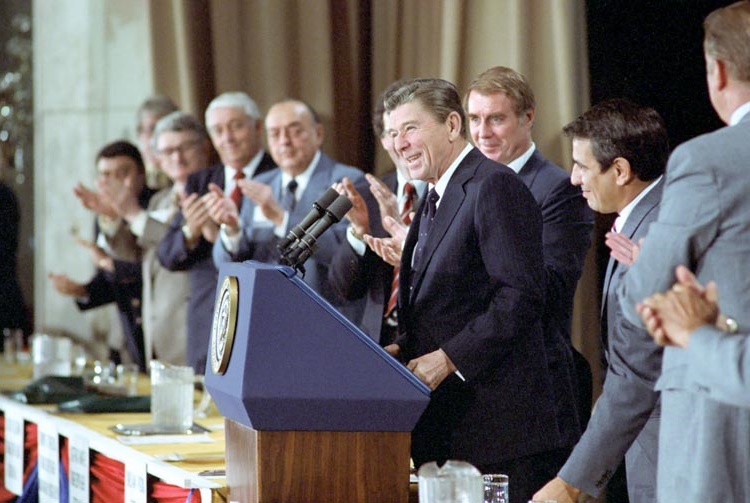
The 80’s high waist pants trend that came immediately after, was the government’s response to that movement. After shooting and literally crushing those antiwar protesters, conservatism was on the rise to stop any movement like that again. And with that conservatism, came a heavy dose of shame politics and culture. Your body is taboo, your bellybutton is taboo; censorship was on the rise and sensitivity increased.
And it continued, for the next 10 years. When Alexander Mcqueen reintroduced lowrise pants in his own style in 1993, the “world” was not ready for it yet. The powers that be still had a hold over people’s minds, and their perception of taboos and barriers. But those barriers were getting weaker.
All that finally changed in the 2000’s. And it changed in a way that was unique to people who lived through the 90’s. You see, the 90’s gradually shed conservatism again, but they did it slowly and less radically. Instead of making a statement with lowrise jeans and rejecting shame, the 2000’s adoption of lowrise incorporated shame into the experience.
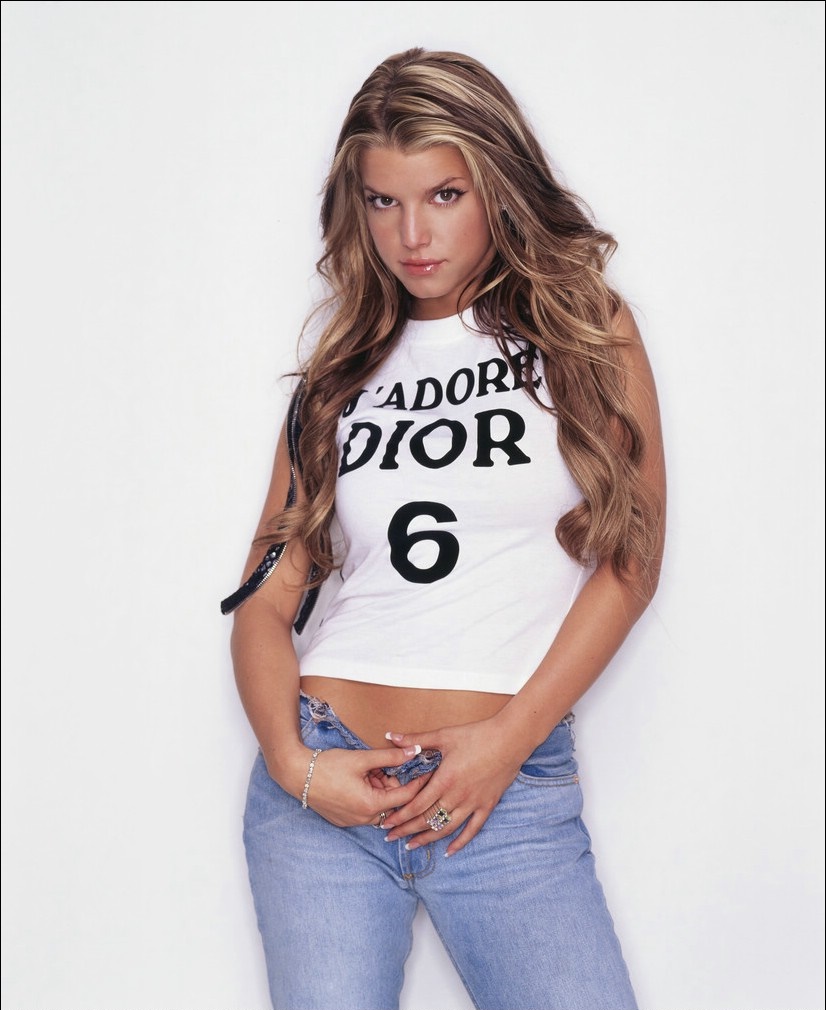
Vulnerability was part of the story, and it allowed a unique context to emerge during that time: People felt excited to try these styles out. It felt like they were coming out of their shell. It felt like they were playing. It felt like, finally, we are free, and the abusers don’t have a hold on us anymore. And you see it in the pictures: people are all smiles, they’re all cool, they’re all larger than life. They’re having fun. There was an electricity traveling down the back of everyone who did it and saw it. It was so new. People felt really shy, and they felt really playful. I really need to highlight this part: the playfulness and the vulnerability. That’s why the energy of the time feels so nostalgic and cool, even to people who weren’t there. Who doesn’t love to play? Who doesn’t feel a little vulnerable? It was human.

I think that’s the energy missing from modern interpretations and attempts to recreate that magic. People aren’t vulnerable now. They try too hard to impress, they share too much with the public, and they act too fake. And it comes out in the pictures. They might have all the parts, but there’s nothing shy or playful about it. There’s nothing vulnerable about it. They don’t look like they’re having fun. They look like annoying people I wouldn’t want to be around. They’re putting on a social media “front” and it erases any potential for magic to happen. Social media was the tool used to bring high waist pants back, and it wont be the tool that brings lowrise pants back.
Authenticity, and freedom from the pressure of impressing strangers online, will.
_____

Leave a Reply